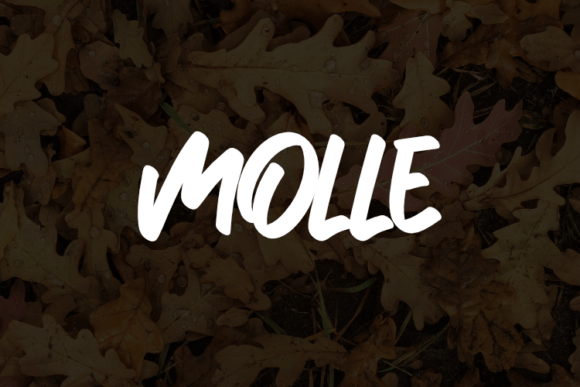
Molle Font: Elegant Typography for Handmade Products
As a maker and small business owner, finding the perfect typeface is often the difference between a product that looks homemade and one that looks professionally crafted. We spend hours refining our designs, whether we are cutting vinyl for tumblers, printing labels for soy candles, or designing digital planners for Etsy. The typography we choose carries the weight of our brand identity. Molle is a modern and elegant typeface designed specifically with this versatility in mind. It strikes a delicate balance between artistic flair and functional readability, making it an exceptional choice for crafters who need their text to be both beautiful and legible across various media.
Elevating Product Packaging and Labels
When you are selling physical goods, your packaging is the first tactile experience your customer has with your brand. Molle excels in this space because it offers a premium font aesthetic without sacrificing clarity. For candle makers, soap artisans, and boutique skincare sellers, the label needs to communicate luxury and trust. A script amp style that is too ornate can become illegible when printed at small sizes on curved surfaces or textured paper. Molle avoids this pitfall by maintaining excellent readability even when scaled down for 2x2 inch stickers or narrow jar labels.
Consider using Molle for the primary product name on a minimalist cosmetic box. Its clean lines suggest modern sophistication, while its subtle character details add warmth that generic sans serif fonts often lack. This typeface works beautifully for ingredient lists when paired correctly, but it truly shines as a display font for titles and branding elements. When customers see consistent, high-quality typography on your tags, bags, and boxes, they perceive higher value in the handmade item itself. This perceived quality is essential for justifying premium pricing in competitive marketplaces.
Versatility Across Craft Mediums
One of the greatest challenges in product creation is finding a single creative font that translates well across different materials. What looks stunning on a screen might fail when cut from adhesive vinyl or embroidered onto linen. Molle was designed for flexibility, making it a reliable workhorse for diverse projects. For Cricut and Silhouette users, the letterforms are structured enough to weed easily, reducing frustration during production. Unlike highly intricate handwritten fonts that can tear during transfer, Molle maintains structural integrity in physical applications.
- Wedding Stationery: Use Molle for couple names on welcome signs, place cards, and envelope addressing. It provides the romance of a script with the stability needed for formal printing.
- Apparel and Textiles: Ideal for tote bags, t-shirts, and baby onesies where bold, readable text is necessary for visual impact from a distance.
- Digital Printables: Perfect for wall art quotes, planner covers, and educational worksheets where students or homeowners need to read text quickly without eye strain.
- Social Media Graphics: Creates cohesive Instagram templates and Pinterest pins that reinforce brand recognition through consistent typographic voice.
This cross-medium reliability means you do not need to purchase separate fonts for your digital downloads and your physical merchandise. Molle serves as a unifying thread in your design assets, ensuring your shop feels curated and intentional rather than disjointed.
Mastering Font Pairing for Professional Designs
While Molle is a stunning standalone display font, knowing how to pair it effectively will elevate your commercial designs. As a modern typeface, it plays exceptionally well with contrasting styles. For a classic, high-end look, pair Molle with a simple geometric sans serif font for body copy. The contrast between Molle’s elegance and the utilitarian nature of a clean sans serif creates a hierarchy that guides the viewer’s eye naturally. This combination is particularly effective for wedding invitations where Molle handles the names and headers while the supporting text remains understated.
Alternatively, if you are creating farmhouse-style signs or rustic packaging, try pairing Molle with a textured serif font or a vintage slab serif. This combination evokes nostalgia and craftsmanship, appealing to customers looking for authentic, handmade vibes. When designing logos, you might use Molle for the brand name and a bold, uppercase sans serif for the tagline. This anchors the fluidity of the main title and ensures the logo remains recognizable even as a tiny favicon on a website or a stamp on tissue paper. Always test your pairings at actual print size before committing to a large production run to ensure the visual weight is balanced.
Technical Considerations for Makers
Understanding the technical specifications of your tools is just as important as the aesthetic choices. Molle comes in .otf OpenType Font format, which offers superior cross-platform compatibility. For designers working between Mac and PC, or switching between design software like Adobe Illustrator and cutting machine software like Cricut Design Space, this consistency prevents formatting errors that can ruin a project. OpenType files also often support advanced typographic features. While checking the specific file details for Molle, look for included alternates, ligatures, or swashes that can customize the look of your text. These features allow you to avoid repetitive letter connections in words with double letters, giving your machine-cut vinyl or printed stationery a more natural, custom-handwritten appearance.
Readability should always be tested in context. Before mass-producing stickers or labels, print a test sheet at 100% scale. View it from the distance your customer will typically see it. If you are making wall art, step back five feet. If you are making jewelry tags, view it at arm's length. Molle’s design prioritizes legibility, but every material interacts with ink and light differently. Glossy surfaces may cause glare that obscures thin strokes, while dark fabrics may require bolder weights or increased spacing. Taking these practical steps ensures your final product meets the high standards your customers expect.
Navigating Commercial Licensing for Small Businesses
For Etsy sellers, printable creators, and client-based designers, licensing is a critical aspect of using any premium font. Using a typeface commercially requires more than just owning the file; it requires the right to profit from designs created with it. Always verify the specific commercial license terms included with Molle before listing products for sale. Licenses vary significantly; some cover unlimited physical products but restrict digital templates, while others may require an extended license for items sold above a certain volume or for use in logo design.
Protecting your business means respecting intellectual property. If you plan to use Molle for client work, such as designing a brand identity for another small business, ensure your license covers third-party end products. Many font foundries offer tiered licensing to accommodate growing businesses. Investing in the correct commercial font license not only keeps you legally compliant but also supports the type designers who create these essential tools. When you build your shop on properly licensed design assets, you build a sustainable foundation for long-term success. Keep your license documentation organized and accessible, as marketplace platforms occasionally request proof of commercial rights during shop reviews or dispute resolutions.