Kinanthi Font: Elevate Small Business Branding
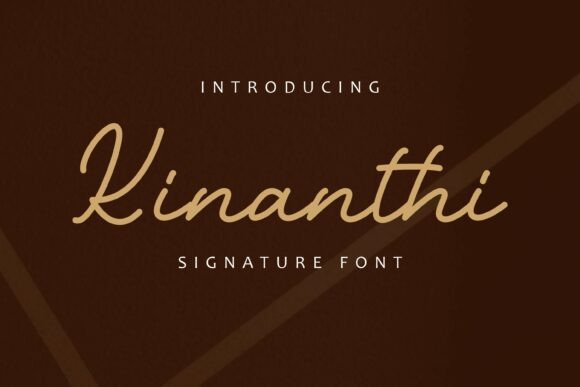
As a small business owner, I know that every visual touchpoint matters. From the logo on my website header to the sticker sealing a package, typography communicates quality before a customer ever reads a single word about my products. Finding a typeface that balances personality with professionalism is often the missing link in building a cohesive brand identity. This is where Kinanthi becomes an essential tool for entrepreneurs. Kinanthi is a refined handwritten signature font that brings organic curves and modern flow to business materials without sacrificing legibility or upscale appeal.
Unlike generic script fonts that can feel dated or overly casual, Kinanthi mimics authentic pen strokes with a sophisticated rhythm. It feels intentional rather than accidental. For those of us managing boutiques, bakeries, coaching services, or handmade product lines, this level of refinement helps establish trust. When customers see consistent, high-quality typography across social media graphics, packaging design, and digital ads, they perceive the business as established and reliable. Using a premium font like Kinanthi signals that you care about the details, which directly translates to perceived value in your products and services.
Applying Signature Style Across Business Touchpoints
The versatility of Kinanthi lies in its ability to adapt to various business contexts while maintaining a distinct voice. As a display font, it shines brightest when used to create emotional connections. Consider how this typeface functions across different practical applications in a small business setting:
- Product Packaging and Labels: For handmade candles, artisanal skincare, or specialty foods, Kinanthi adds a bespoke touch to labels. Its organic flow suggests craftsmanship and human touch, distinguishing shelf presence from mass-produced competitors.
- Social Media Content: Instagram posts and Pinterest graphics require immediate visual impact. Using Kinanthi for headlines or quote overlays creates a recognizable aesthetic that stops the scroll. The modern typography ensures text remains readable even in mobile thumbnails.
- Customer Experience Materials: Thank-you cards, unboxing inserts, and personalized notes benefit immensely from this handwritten font. It transforms standard transactional communication into a warm, personal interaction that encourages repeat business and reviews.
- Website Banners and Hero Images: A clean sans serif body copy paired with a Kinanthi headline creates visual hierarchy. It guides the visitor’s eye to key value propositions or seasonal promotions without overwhelming the user experience.
- Menus and Price Lists: For cafés and restaurants, using Kinanthi for section headers or signature dish names adds elegance. It elevates the dining experience visually, justifying premium pricing through thoughtful design assets.
Building Consistency and Professional Trust
Consistency is the foundation of brand recognition. When I first started my business, I made the mistake of mixing too many decorative fonts, which made my marketing materials look disjointed. Adopting a singular, versatile creative font like Kinanthi solved this issue. Because it possesses both character and restraint, it works as a unifying element across disparate platforms. Whether it appears on a business card, a Facebook ad, or a product tag, the visual language remains stable.
This stability builds trust. Customers are more likely to purchase from a brand that looks polished and coherent. Kinanthi strikes a difficult balance: it is expressive enough to be memorable but disciplined enough to remain professional. It avoids the chaotic energy of some novelty scripts while offering more warmth than standard serif or sans serif options. For service providers like photographers, wedding planners, or consultants, this specific mood conveys approachability alongside expertise. It tells potential clients that you are creative yet organized, passionate yet professional.
Practical Readability and Strategic Usage
While aesthetics are important, functionality dictates business success. A beautiful font is useless if customers cannot read it quickly. Kinanthi excels because its letterforms are distinct and open. However, strategic usage is still required to maximize effectiveness in real-world settings.
Reserve Kinanthi for short bursts of text. It is ideal for logos, subheads, signatures, and accent phrases. Avoid using it for long paragraphs, legal disclaimers, or dense product descriptions. In those instances, readability must take precedence. On small product labels or jewelry tags, test the font at actual print size before committing. What looks elegant on a 27-inch monitor may become illegible when scaled down to one inch on textured paper. Always print physical proofs to verify that the organic curves maintain their integrity at small sizes.
For digital applications, ensure sufficient contrast against backgrounds. White Kinanthi text on a dark, moody background creates luxury, while dark text on cream suggests heritage and warmth. Never place this detailed script over busy photography without a solid overlay or drop shadow, as the intricate strokes will get lost. Accessibility should always guide design decisions; if the text is hard to read, it fails its business purpose regardless of how beautiful it looks.
Effective Font Pairing for Complete Brand Systems
Kinanthi rarely works alone. To build a complete brand identity system, it needs supportive partners. The goal of font pairing is to create contrast that enhances readability and visual interest. Since Kinanthi is a high-contrast, expressive script, it pairs best with neutral, structured typefaces.
- Clean Sans Serif: Pairing Kinanthi with a geometric or neo-grotesque sans serif creates a modern, minimalist aesthetic. The simplicity of the sans serif grounds the flourishes of the script. This combination works exceptionally well for tech-adjacent creatives, modern fashion brands, and lifestyle bloggers.
- Classic Serif: For heritage brands, law firms, or luxury goods, pair Kinanthi with a traditional serif font. The serif handles body copy with authority, while Kinanthi adds a layer of personalized elegance to titles. This evokes timelessness and established quality.
- Monospaced or Utility Fonts: For a trendy, editorial look, try pairing Kinanthi with a monospaced font. This juxtaposition feels contemporary and raw, perfect for streetwear brands, art galleries, or zine publishers.
When designing templates for social media or email newsletters, establish a strict hierarchy. Use Kinanthi only for the primary hook or brand name. Use your secondary font for supporting information. This discipline prevents visual fatigue and ensures your message lands effectively.
Licensing and Commercial Implementation
Before integrating any new typeface into your business operations, understanding licensing is non-negotiable. Fonts are software, and their use is governed by specific agreements. As entrepreneurs, we must respect intellectual property to protect our businesses from legal risk.
Always verify the commercial license for Kinanthi before using it on revenue-generating assets. Personal licenses typically do not cover product packaging, merchandise for sale, client work, or digital downloads. If you plan to use Kinanthi on items you sell, such as printed mugs, t-shirts, or editable templates, you likely need an extended commercial license. Check the specific terms provided by Script Amp or the font foundry. Investing in the correct license is a small cost compared to the potential damages of infringement. Furthermore, proper licensing often grants access to additional glyphs, alternates, and support, ensuring you have the full range of design assets needed for professional execution.
Ultimately, typography is a business investment. Choosing Kinanthi is not just about making things look pretty; it is about strategically aligning your visual identity with your brand values. By applying this refined handwritten font thoughtfully across logos, packaging, and digital content, small business owners can create a distinctive, trustworthy presence that resonates with their target audience and supports sustainable growth.